
Osteoarthritis: Causes, Management, and How Medications Affect Joint Pain
When your knees, hips, or hands start aching after walking or typing, you might be dealing with osteoarthritis, a degenerative joint disease where cartilage breaks down over time, causing bone to rub against bone. Also known as wear-and-tear arthritis, it’s not just an old person’s problem—over 32 million adults in the U.S. have it, and many start noticing symptoms in their 40s and 50s. It’s not caused by one big injury, but by years of small stresses on the joint, plus genetics, weight, and how you move day to day.
What makes osteoarthritis tricky is that it doesn’t just hurt—it changes how you live. Sitting at a desk for hours? That’s ergonomics, the science of arranging your workspace to reduce strain on your body—and poor posture can make joint pain worse. Standing all day? That puts pressure on your knees. Lifting heavy things? That strains your hips. You don’t need fancy gear to help. Simple fixes—like raising your chair, using a standing desk, or taking a 5-minute stretch every hour—can cut pain without pills.
Most people reach for pain relievers when the ache hits. That’s where NSAIDs, nonsteroidal anti-inflammatory drugs like ibuprofen or meloxicam come in. But they’re not harmless. Long-term use can hurt your stomach, kidneys, or heart. And if you’re on other meds—like blood thinners or antidepressants—you could be risking dangerous drug interactions, when two or more medications affect each other in harmful ways. That’s why checking with your pharmacist before starting anything new matters. A quick chat can save you from side effects you didn’t even know were possible.
Weight plays a big role too. Every extra pound adds 3-4 pounds of pressure on your knees. Losing even 10% of your body weight can cut joint pain in half—and sometimes even delay the need for surgery. But it’s not just about diet. Movement matters. Low-impact exercises like swimming or cycling keep joints lubricated without crushing them. Strength training builds muscles that act like natural shock absorbers.
And here’s the thing: osteoarthritis isn’t just about the joint. It’s about your whole life—sleep, mood, work, even how you hold your phone. If you’re tired all the time or feeling down, that’s not just from pain. Chronic discomfort changes your brain chemistry. Some meds, like acetaminophen, affect serotonin, which can influence both pain and mood. That’s why tracking symptoms matters. Writing down what hurts, when, and what you took can help you spot patterns your doctor might miss.
You’ll find real stories here—not theories. People who cut their knee pain by adjusting their workstation. Others who stopped relying on NSAIDs after learning about safer alternatives. And folks who discovered how their other meds were making their joints worse. This isn’t about miracle cures. It’s about smart, simple steps you can start today. Whether you’re just noticing stiffness or have been living with this for years, there’s something here that can help you move better, feel less pain, and take back control.
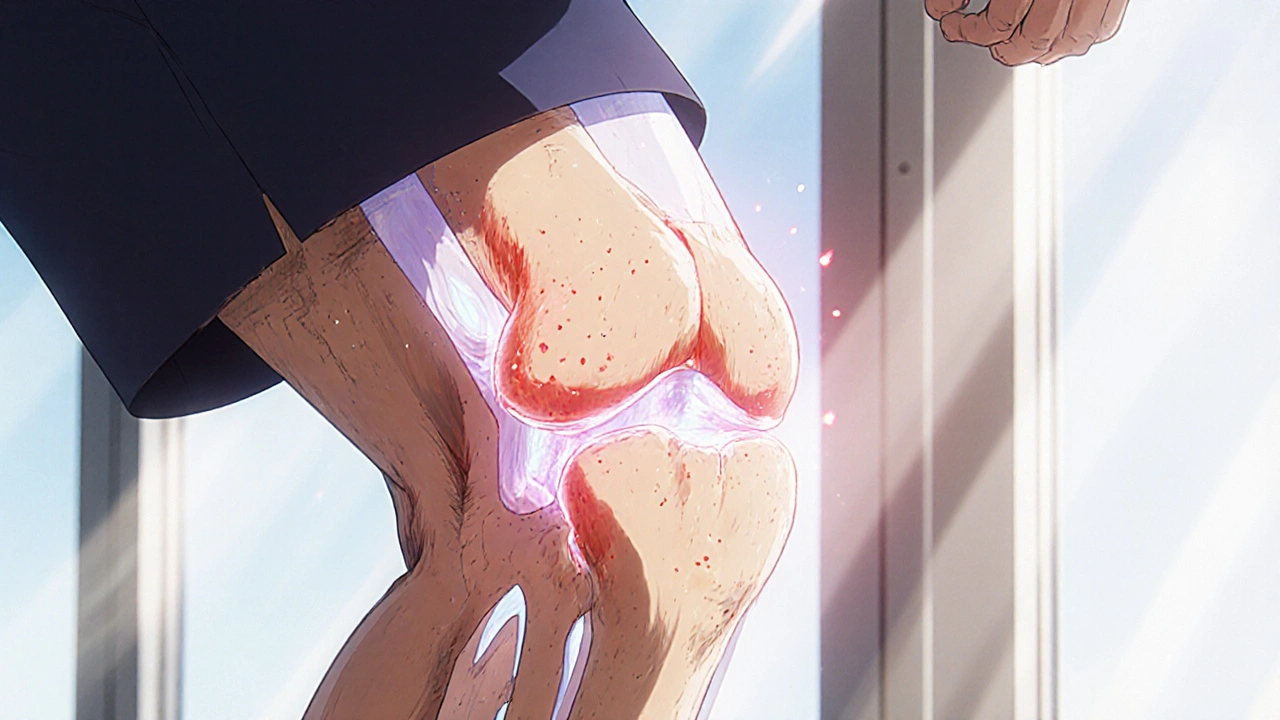
Osteoarthritis affects over 32 million Americans and is the leading cause of joint pain and disability. Learn how cartilage degeneration works, why movement is key, and what real, evidence-based strategies actually reduce pain and improve function - without relying on pills or surgery.