
Musculoskeletal Pain: Causes, Treatments, and What Really Works
When you feel a deep ache in your back, stiff knees, or sore shoulders that won’t go away, you’re dealing with musculoskeletal pain, pain originating from muscles, bones, ligaments, tendons, or nerves. Also known as chronic body pain, it’s not just aging—it’s often tied to inflammation, injury, or the drugs you’re taking to manage it. Unlike a simple bruise, this kind of pain lingers, worsens with movement, and doesn’t always respond to over-the-counter pills. Millions live with it daily, and many are stuck in a cycle: take painkillers, feel better for a while, then deal with side effects or worse, new problems like stomach bleeds or liver stress.
One of the biggest players here is NSAIDs, nonsteroidal anti-inflammatory drugs used to reduce pain and swelling. Drugs like meloxicam, a long-acting NSAID often prescribed for joint pain or aceclofenac, a gentler NSAID with fewer stomach issues are common. But they’re not magic. Long-term use can damage your gut, kidneys, or even raise heart risks. And if you’re already on blood thinners or antidepressants, mixing them can trigger dangerous drug interactions, harmful reactions when medications clash. That’s why checking what you’re taking—especially if you’re juggling multiple pills—isn’t optional. It’s survival.
Then there’s osteoarthritis, a degenerative joint disease where cartilage breaks down, causing bone to grind on bone. It’s the #1 cause of musculoskeletal pain in adults over 50, and it’s not just about age. Weight, past injuries, and even your diet play roles. The good news? You don’t need surgery or endless pills to manage it. Movement, even light walking, helps rebuild joint strength. Losing just 5% of body weight can cut knee pain in half. And yes, there are real, science-backed alternatives to popping pills every day—like physical therapy, targeted supplements, or even adjusting your sleep habits to reduce inflammation.
What you’ll find below isn’t a list of random articles. It’s a practical toolkit. You’ll see how to track symptoms so your doctor actually listens, how to avoid dangerous drug combos that make pain worse, why some painkillers affect your brain chemistry, and which treatments actually help without risking your liver or stomach. Whether you’re dealing with daily stiffness, post-surgery soreness, or arthritis that’s stealing your mobility, these guides cut through the noise. No fluff. No hype. Just what works—and what to avoid.
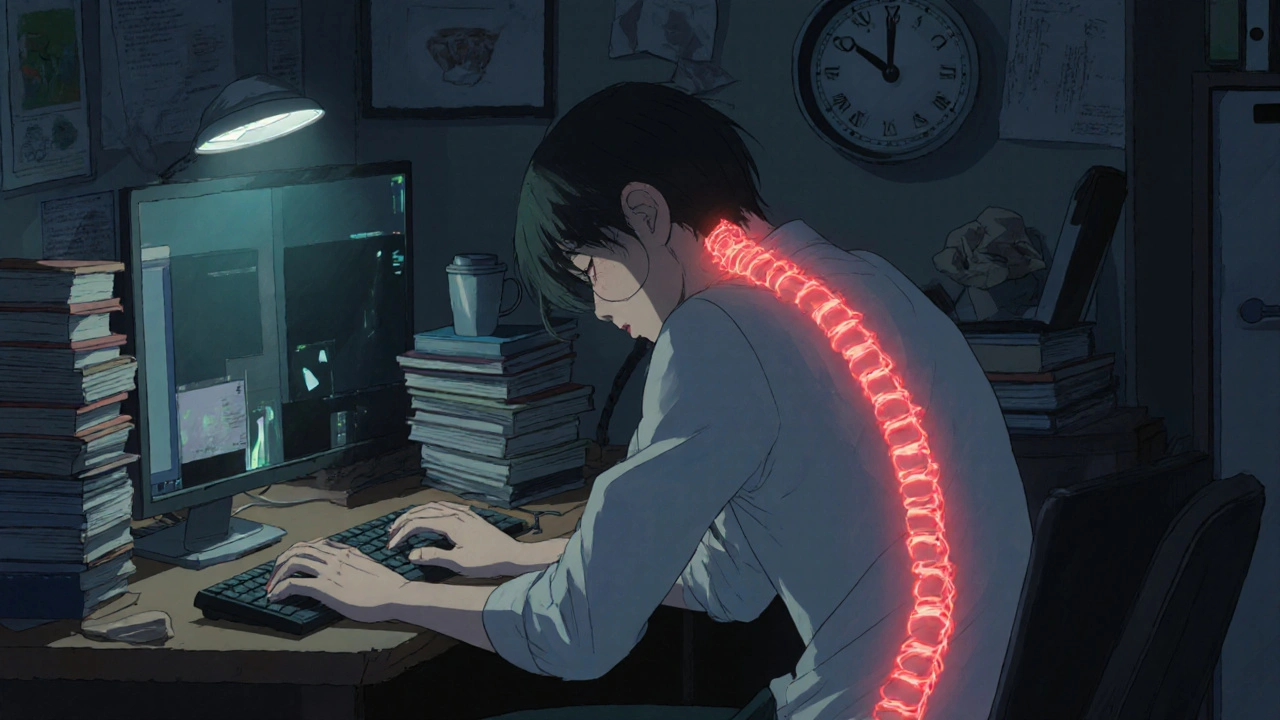
Learn simple, science-backed ways to adjust your workstation and posture to reduce joint pain from sitting all day. No expensive gear needed - just smart placement and small habits.