
Hair Loss from Pills: Common Medications That Cause Thinning and What to Do
When you start a new medication, you expect relief—not hair loss from pills, a side effect caused by certain drugs that disrupt the hair growth cycle. It’s not rare. Thousands of people notice clumps in their brush or a widening part after starting something new, and they’re left wondering: is this normal? Is it permanent? And more importantly—can it be fixed?
Finasteride, a drug used for both enlarged prostate and male pattern baldness is one of the most talked-about culprits. Ironically, it’s also one of the most effective treatments for hair loss. But for some, it triggers shedding instead of regrowth—especially in the first few months. Then there’s minoxidil, a topical solution that can cause temporary shedding before helping regrowth. That’s not a failure—it’s part of the process. But if you’re on blood pressure meds, antidepressants, or birth control pills and suddenly see more hair in your shower drain, that’s a red flag. These drugs don’t always cause hair loss, but they can for certain people based on genetics, dosage, or how long you’ve been taking them.
Not all hair loss from pills is the same. Some drugs push hair follicles into a resting phase too early—called telogen effluvium. Others interfere with hormone levels or nutrient absorption. Antidepressants like SSRIs, beta-blockers for heart conditions, and even high-dose vitamin A can all play a role. The good news? Most of the time, hair grows back once you stop the drug or adjust the dose. But you shouldn’t quit cold turkey. Talk to your doctor first. They can help you weigh the benefits of the medication against the side effect—and sometimes switch you to something that won’t thin your hair.
If you’re noticing hair loss and you’re on any of these meds, don’t panic. Keep track of when it started, how much you’re losing, and whether it’s spreading. Take a photo every few weeks. That way, you’ll have proof when you sit down with your doctor. And remember: just because a drug is approved doesn’t mean it’s safe for everyone. Your body reacts differently than the next person’s. The right solution isn’t always a new pill—it’s often a smarter choice of one you’re already taking.
Below, you’ll find real guides from people who’ve been through this. Some swapped meds. Others added supplements. A few found their hair came back on its own. No fluff. Just what worked—and what didn’t.
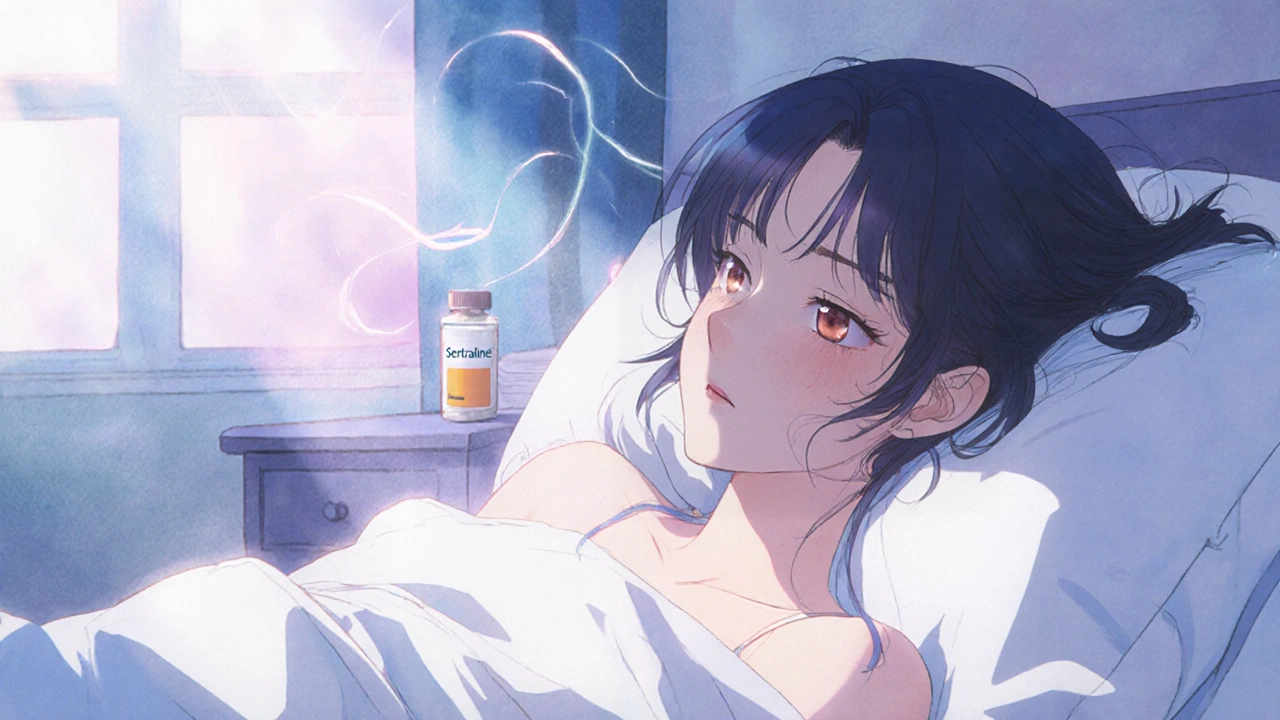
Medication-induced hair loss is a common side effect of many drugs, from antidepressants to chemotherapy. Learn what causes it, which medications trigger it, and proven ways to regrow your hair safely and effectively.