
Generic Medication Advice: Safe Use, Cost Savings, and What Really Works
When you hear generic medication advice, practical guidance on using lower-cost versions of brand-name drugs that are chemically identical. Also known as generic drugs, they make up nearly 90% of prescriptions in the U.S. and save patients billions every year. But many people still wonder: are they really the same? The answer is yes—by law, the FDA requires generics to have the same active ingredients, strength, dosage form, and route of administration as the brand-name version. What changes? The color, shape, packaging, and inactive fillers. Not the effect.
Still, some folks feel generics don’t work as well. Why? It’s not chemistry—it’s perception, how your brain interprets the cost, appearance, and branding of a medicine. This is the placebo and nocebo effect. If you’ve always taken a blue pill labeled "Viagra" and now get a white pill labeled "sildenafil," your brain might signal discomfort, even if the drug is identical. That’s not weakness—it’s human psychology. Studies show people report more side effects from generics simply because they expect them. The fix? Talk to your pharmacist. Ask why the pill looks different. Get the facts. You’re not being fooled—you’re being informed.
Another big concern? drug interactions, when two or more medications react in ways that reduce effectiveness or cause harm. This matters just as much with generics as with brand names. A generic blood thinner, a generic painkiller, or a generic sleep aid can still clash with your other meds, supplements, or even grapefruit juice. That’s why checking for interactions before starting any new drug—generic or not—is non-negotiable. Use free tools, ask your pharmacist, or track your meds with a simple diary. Don’t assume "it’s just a generic" means it’s safer to mix.
And let’s talk cost. Indian manufacturers produce 20% of the world’s generic drugs, shipping affordable versions of HIV meds, diabetes pills, and heart drugs to over 150 countries. These aren’t knockoffs—they’re FDA-approved, rigorously tested, and often the only option for people who can’t afford brand names. But price doesn’t mean quality. Always buy from licensed pharmacies. Avoid websites that don’t require a prescription. Your health isn’t a gamble.
Some generics need special attention. Take theophylline, a narrow therapeutic index drug where tiny changes in blood levels can cause seizures or death. Even a generic version requires strict blood monitoring. Other drugs, like antidepressants or statins, can affect your sleep, mood, or hair. These side effects don’t care if the label says "generic" or "brand." They’re tied to the active ingredient. That’s why keeping a symptom diary helps—whether you’re on a $2 generic or a $150 brand.
What you’ll find below isn’t theory. It’s real advice from people who’ve been there: how to use secure messaging to ask your doctor about your meds, how to read labels to avoid hidden risks, how to talk to your pharmacist without feeling rushed, and how to spot dangerous combinations like opioids with antidepressants. You’ll learn why some people’s hair falls out after starting a generic, how melatonin actually works (hint: it’s not a sleeping pill), and why switching to a cheaper version of your heart drug might be the smartest move you’ve ever made.
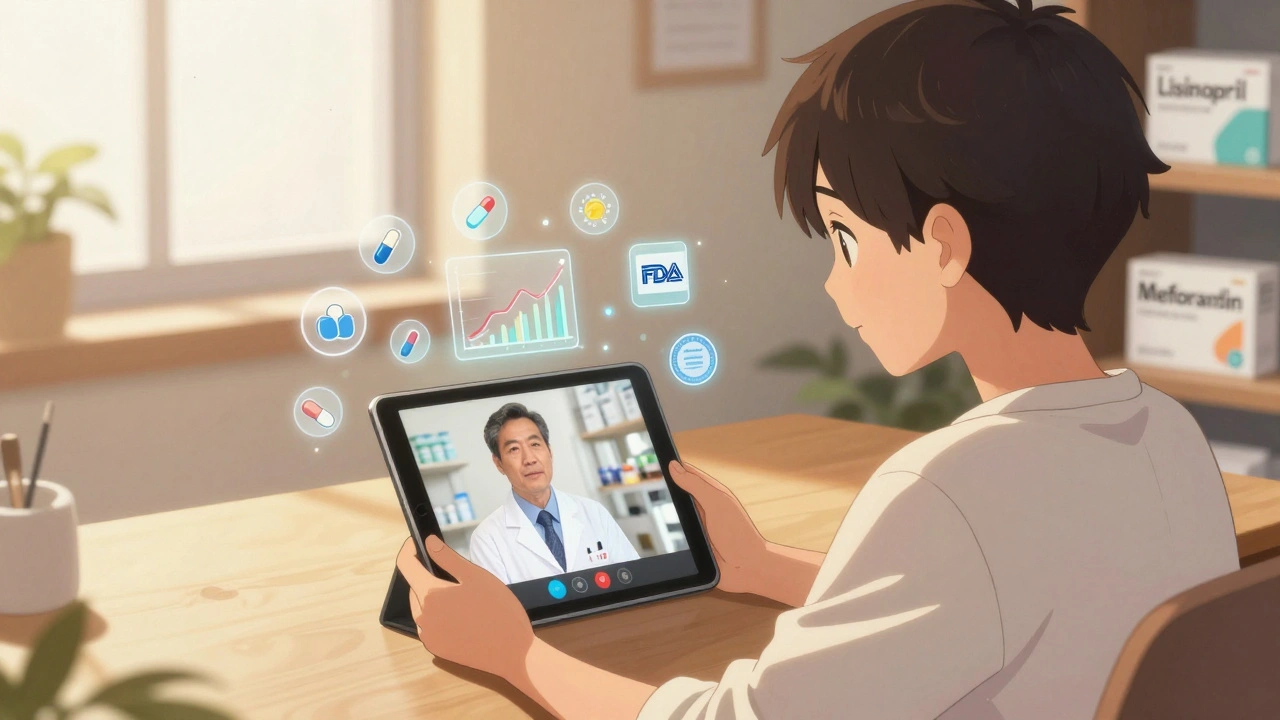
Get expert advice on generic medications through online pharmacy counseling. Learn how to save up to 85% on prescriptions, choose safe alternatives, and talk to real pharmacists without leaving home.