
Ergonomics: How Workspaces and Daily Habits Affect Your Health
When you think of ergonomics, the science of designing tools and environments to fit the human body. Also known as human factors engineering, it's not just about buying an expensive chair—it’s about how your body holds up under daily stress, whether you're typing, lifting, or sitting for hours on end. Many people don’t realize that poor posture at your desk, awkward movements while reaching for meds, or even how you hold your phone can slowly lead to joint pain, nerve damage, or chronic muscle strain. And here’s the twist: some of those symptoms might be mistaken for side effects from drugs like NSAIDs or statins, when the real culprit is how you’re sitting or moving.
Posture, the alignment of your body during movement or rest is one of the biggest hidden factors in long-term pain. Slouching over a laptop for hours? That’s not just bad for your neck—it can compress nerves, reduce blood flow, and even make you feel more fatigued, which some people wrongly blame on their medications. Musculoskeletal health, the condition of your muscles, bones, and joints doesn’t just decline with age. It declines with repetition. Think about how many times you reach for your pill bottle, adjust your CPAP mask, or bend to pick up a water bottle while working. Those tiny motions add up. If you’re on long-term pain meds like meloxicam or acetaminophen, your body might be masking pain signals that should tell you to change your setup. Ergonomics isn’t about comfort—it’s about stopping damage before it becomes permanent.
And it’s not just office workers. People managing chronic conditions—like osteoarthritis, sleep apnea, or even drug-induced hair loss—often don’t realize their daily habits are making things worse. A poorly positioned CPAP machine can lead to neck strain. Heavy medication bottles on a cluttered counter force awkward bending. Even reading labels in dim light causes eye and shoulder tension. Ergonomics connects directly to the way you interact with your health tools, from pill organizers to insulin pens to glaucoma eye drops. When your environment fights you, your body pays the price.
What you’ll find below isn’t just a list of articles—it’s a collection of real-life connections between how you live and how your body responds to treatment. From how to track drug reactions without confusing them with pain from bad posture, to why losing weight helps both sleep apnea and back strain, these posts show you the hidden links between your habits and your health. No fluff. No theory. Just practical fixes you can start today to make your body work with you, not against you.
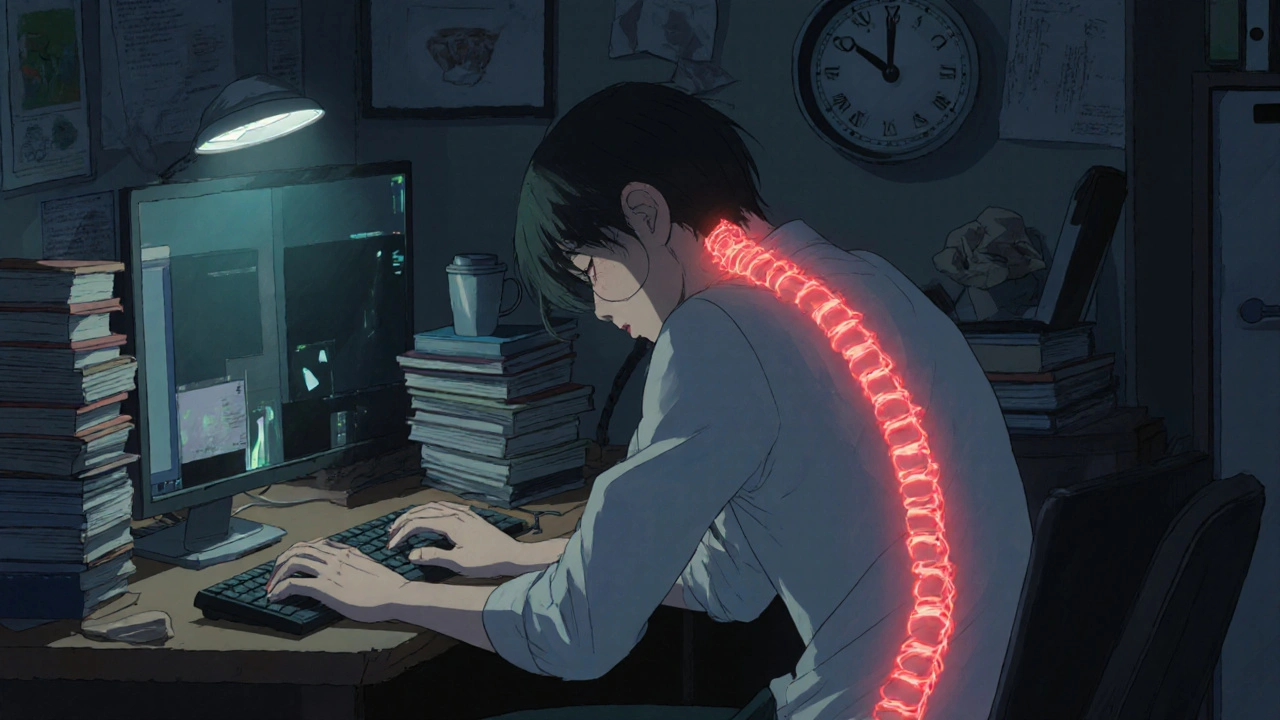
Learn simple, science-backed ways to adjust your workstation and posture to reduce joint pain from sitting all day. No expensive gear needed - just smart placement and small habits.