
DOACs for Elderly: What You Need to Know About Safety, Choices, and Real-World Use
When it comes to preventing strokes in older adults with atrial fibrillation, DOACs, direct oral anticoagulants that include drugs like apixaban, rivaroxaban, and dabigatran, used to thin blood without needing regular blood tests. Also known as non-vitamin K antagonist oral anticoagulants, these medications have largely replaced warfarin for most elderly patients because they’re easier to manage and carry less risk of dangerous bleeding when used correctly. But "easier" doesn’t mean "risk-free." For seniors, especially those over 75, the balance between preventing clots and avoiding serious bleeding is razor-thin.
One of the biggest concerns with DOACs, direct oral anticoagulants that include drugs like apixaban, rivaroxaban, and dabigatran, used to thin blood without needing regular blood tests. Also known as non-vitamin K antagonist oral anticoagulants, these medications have largely replaced warfarin for most elderly patients because they’re easier to manage and carry less risk of dangerous bleeding when used correctly. is how the body handles them. As people age, kidney function naturally declines. Many DOACs are cleared through the kidneys, so if a senior’s creatinine clearance drops below 30 mL/min, some of these drugs become unsafe or require dose adjustments. Apixaban is often preferred in this group because it’s less dependent on kidney function than rivaroxaban or dabigatran. Also, older adults are more likely to take multiple medications—statins, antibiotics, NSAIDs, even over-the-counter painkillers. Many of these can interfere with DOACs, raising the risk of bleeding or reducing their effectiveness. A simple interaction between DOACs and common drugs like clarithromycin or fluconazole can turn a safe treatment into a dangerous one.
Falls are another silent threat. An elderly person on a DOAC who takes a tumble can bleed internally without obvious signs. Unlike warfarin, where you can reverse the effect quickly with vitamin K or fresh frozen plasma, DOAC reversal options are limited and not always available in emergency rooms. That’s why doctors now weigh fall risk just as heavily as stroke risk when prescribing these drugs. If someone has a history of falls, unsteady gait, or dementia that makes them forget to take pills, a DOAC might not be the best choice—even if their heart rhythm suggests they need one.
What’s clear from real-world data is that DOACs work well for many elderly patients—but only when they’re chosen carefully, monitored closely, and paired with smart lifestyle adjustments. The right DOAC isn’t just about the diagnosis; it’s about the person’s kidneys, their other meds, their risk of falling, and whether they can stick to a daily schedule. This collection of posts dives into the practical side of this: how to spot dangerous drug interactions, why kidney tests matter more than ever, what to do if a senior misses a dose, and how to talk to a pharmacist about safety. You’ll find real advice on comparing DOAC options, understanding side effects, and avoiding the most common mistakes that lead to hospital visits. There’s no one-size-fits-all answer here. But with the right info, you can make safer, smarter choices.
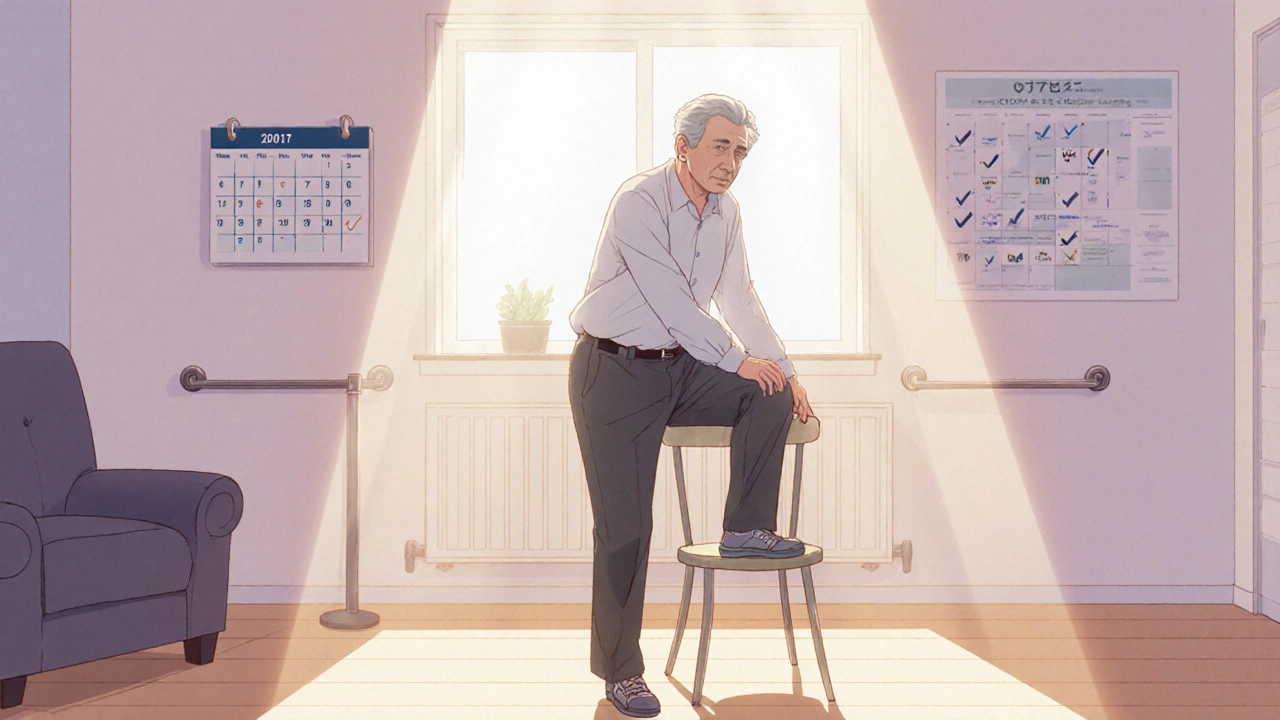
Anticoagulants save lives in seniors with atrial fibrillation by preventing strokes-despite fall risks. Evidence shows stroke prevention benefits far outweigh bleeding risks, even in the oldest patients.