
Cheap Generic Drugs: Safe, Affordable Alternatives to Brand-Name Medications
When you hear cheap generic drugs, pharmaceutical products that contain the same active ingredients as brand-name drugs but are sold at lower prices. Also known as generic medications, they are the backbone of global healthcare systems, making life-saving treatments accessible to millions who couldn’t otherwise afford them. The truth is, generic drugs aren’t "lesser"—they’re legally required to match brand-name drugs in strength, dosage, safety, and how they work in your body. The only real difference? The price tag—and sometimes, the color of the pill.
Where do these affordable drugs come from? Indian generic manufacturers, some of the largest producers of generic medicines worldwide, supplying over 20% of the global supply. Companies in India make HIV meds, diabetes pills, antibiotics, and heart drugs at costs up to 90% lower than in the U.S. or Europe—not because they cut corners, but because they skip the marketing hype and patent fees that inflate brand-name prices. These drugs aren’t second-rate; they’re rigorously tested and approved by agencies like the FDA and WHO. In fact, many brand-name drugs you buy in the U.S. are actually made in the same factories as their generic versions.
But here’s the catch: price doesn’t always mean safety. perception and placebo effect, how your mind influences whether you believe a drug works. Some people swear brand-name drugs work better—even when the chemistry is identical. That’s not the drug’s fault. It’s your brain. Studies show that if you think a pill is expensive, you’re more likely to feel better after taking it. The opposite can happen too: if you’re told a generic is "cheap," you might expect it to fail—and sometimes, it does. That’s why knowing the facts matters. Your doctor or pharmacist can help you choose wisely, and tools like drug interaction checkers, systems that help you spot dangerous combinations between medications, supplements, and foods. can keep you safe.
Using cheap generic drugs doesn’t mean cutting corners on your health. It means being smart. Whether you’re managing high blood pressure with generic lisinopril, treating depression with sertraline, or controlling diabetes with metformin, you’re getting the same active ingredient. The key is to buy from trusted sources, check for FDA or equivalent approval, and talk to your pharmacist. They can tell you if a generic is right for you, warn you about interactions, and even help you save more through pharmacy discount programs.
What you’ll find below are real stories and facts about how generic drugs work, who makes them, why some people doubt them, and how to use them without risking your health. From the factories in India to the pill in your hand, this collection cuts through the noise and gives you what you actually need to know.
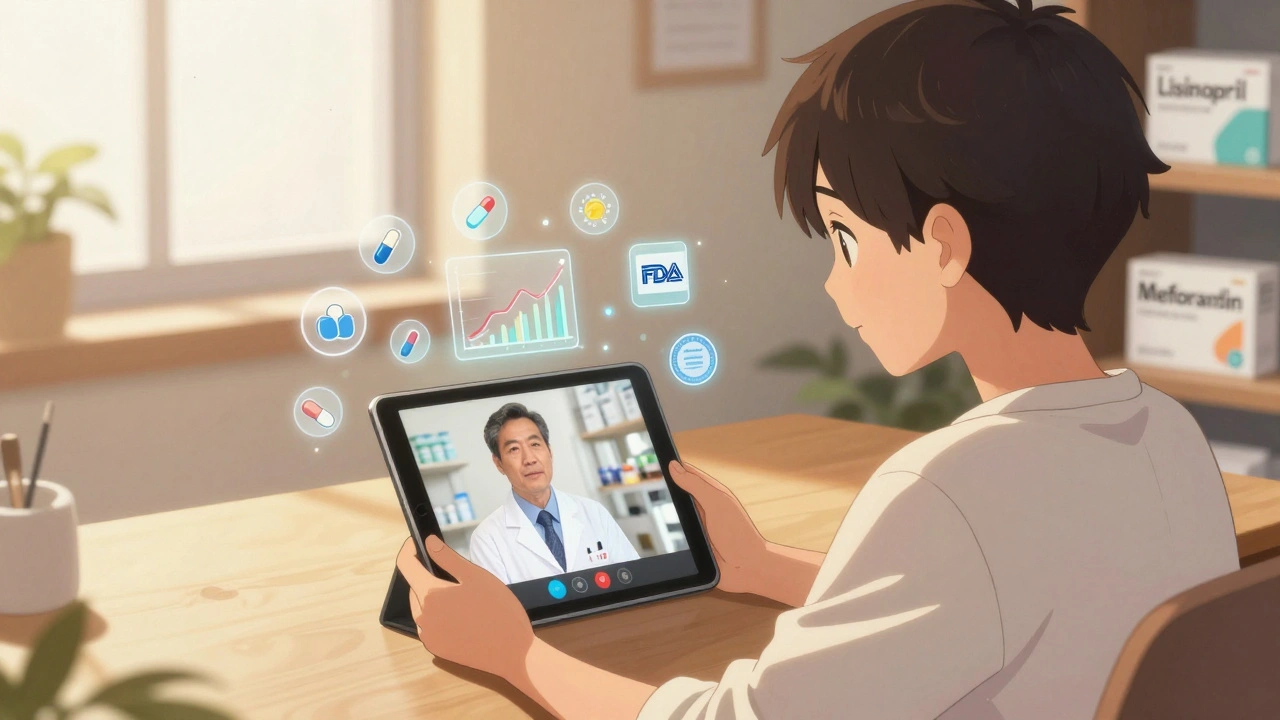
Get expert advice on generic medications through online pharmacy counseling. Learn how to save up to 85% on prescriptions, choose safe alternatives, and talk to real pharmacists without leaving home.