
CDC Vaccination Guidelines: What You Need to Know About Recommended Shots and Schedules
When it comes to staying healthy, CDC vaccination guidelines, official recommendations from the U.S. Centers for Disease Control and Prevention for when and how to get vaccines. Also known as immunization schedules, these guidelines are updated yearly based on the latest science and real-world disease patterns. They’re not just for kids—they cover teens, adults, seniors, and people with chronic conditions. These aren’t random suggestions. They’re built on decades of data tracking who gets sick, who doesn’t, and which vaccines work best in which groups.
The vaccine schedules, timed lists of shots recommended at specific ages and risk levels. Also known as immunization calendars, they’re designed to protect you when you’re most vulnerable. For example, babies get their first hepatitis B shot right after birth, while adults over 65 need a high-dose flu shot and two pneumococcal vaccines. People with diabetes, heart disease, or weakened immune systems get extra shots because their bodies can’t fight off infections as easily. The vaccine safety, ongoing monitoring of side effects and long-term outcomes after shots are given. Also known as post-marketing surveillance, it’s how we know vaccines like HPV and shingles are safe for millions. No vaccine is 100% risk-free, but the CDC tracks every report—whether it’s a fever after a flu shot or a rare allergic reaction—and adjusts advice if needed.
These guidelines don’t just list shots. They tell you when to wait, when to skip, and when to talk to your doctor. If you’re pregnant, traveling abroad, or on chemotherapy, your schedule changes. The CDC even has special rules for people who missed shots as kids or never got their boosters. You don’t need to start over—just pick up where you left off. And yes, it’s okay to get multiple vaccines at once. Your immune system handles them just fine.
Below, you’ll find real-world guides that connect directly to these rules. Learn how to check for drug interactions before starting new meds, why some vaccines affect people on blood thinners, how to spot side effects that need urgent care, and what to do if you’re on immunosuppressants. These aren’t theoretical discussions. They’re answers from people who’ve been there—parents, seniors, patients managing chronic illness—all trying to stay safe while following the science.
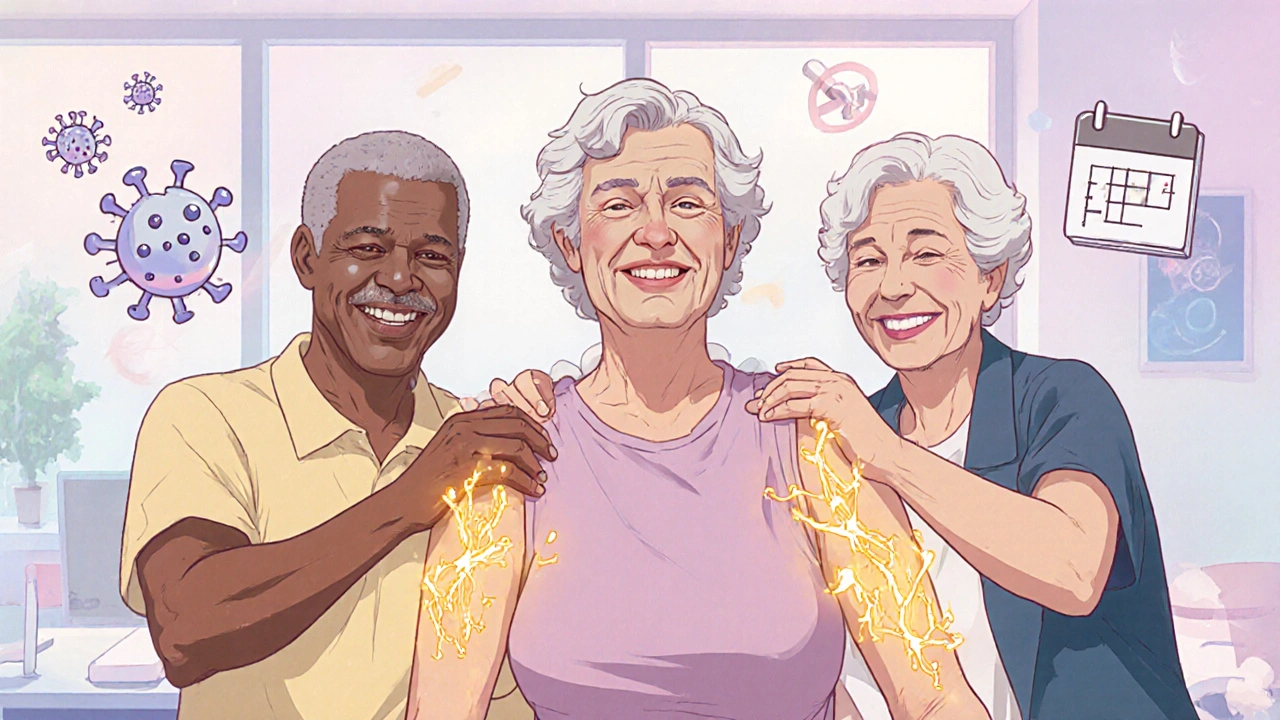
Shingrix is the only shingles vaccine recommended in the U.S. It's highly effective for adults 50+ and immunocompromised adults 19+. Learn who should get it, how it works, side effects, cost, and why it's better than the old vaccine.