
API Manufacturing: How Generic Drugs Are Made and Why It Matters
When you pick up a generic pill at the pharmacy, what you’re holding is mostly active pharmaceutical ingredients, the biologically active components that make a drug work. Also known as API, these are the real heroes behind every tablet, capsule, or injection—whether it’s branded or generic. Without API manufacturing, there would be no affordable medicines. This process isn’t just chemistry—it’s precision engineering, strict quality control, and global supply chains working together to deliver life-saving drugs at a fraction of the cost.
Most of the world’s APIs come from a handful of countries, with Indian generic manufacturers, the largest global suppliers of affordable medicines producing nearly one in five generic drugs sold worldwide. These companies don’t just copy brand-name pills—they reverse-engineer complex molecules, optimize synthesis routes, and meet U.S. FDA and EU standards. That’s why your $5 generic blood pressure pill from India works just as well as the $50 brand version. But not all API manufacturers are equal. Some cut corners. Others invest in clean rooms, real-time monitoring, and third-party audits. The difference shows up in how consistently the drug works—and whether it causes unexpected side effects.
API manufacturing also explains why some generics feel different. Even when two pills have the same active ingredient, the way it’s made, purified, or combined with fillers can change how fast it dissolves in your body. That’s why the theophylline levels, a drug with a tiny window between safe and toxic require strict monitoring, and why some people report better results with one generic over another. It’s not in your head—it’s in the manufacturing process.
Behind every API is a story of cost, control, and chemistry. From the labs in Hyderabad to the quality checks in New Jersey, API manufacturing determines whether a drug is safe, effective, and accessible. That’s why knowing where your medicine comes from matters—not just for your wallet, but for your health. Below, you’ll find real stories about how generics are made, how they compare to brand names, and why some people swear by one version over another. These aren’t marketing claims. They’re facts from people who’ve lived with these medications every day.
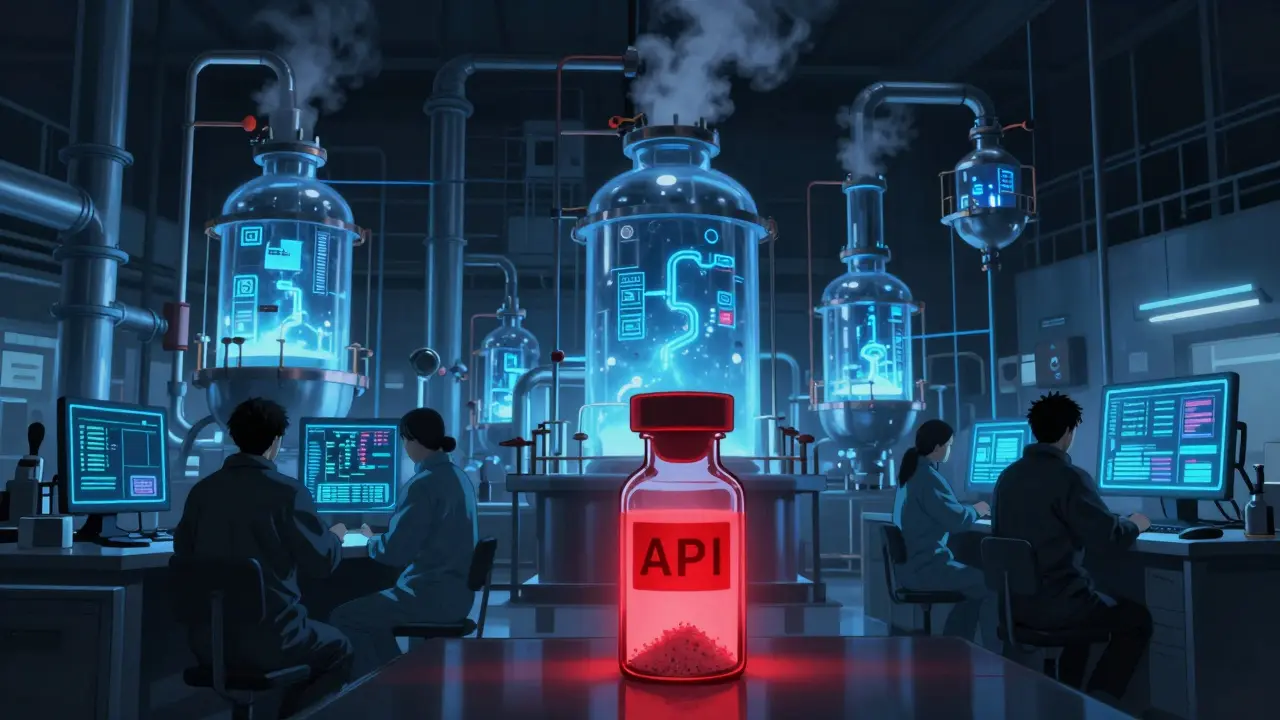
Chinese manufacturers produce 80% of the world's generic drug ingredients, but quality issues, weak oversight, and supply chain risks threaten patient safety. Here's what you need to know about the hidden dangers behind low-cost generics.
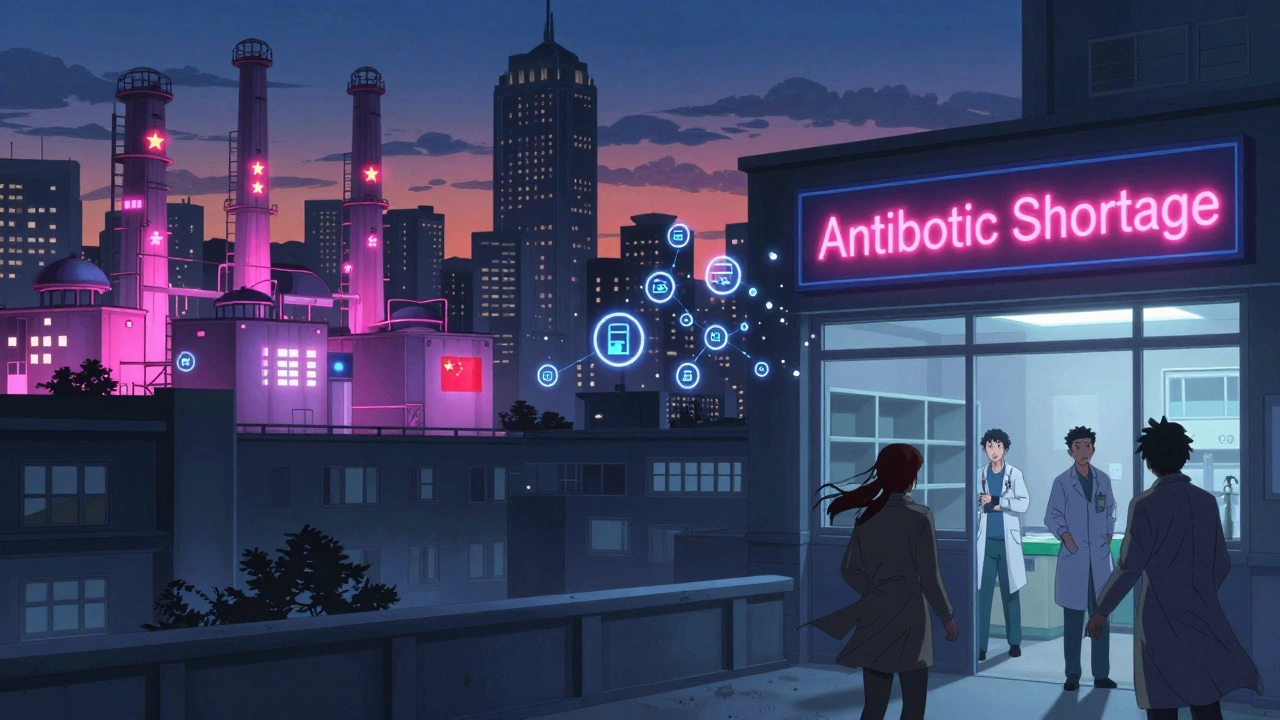
Drug shortages are rising due to fragile global supply chains. Learn how buffer stocks, dual sourcing, AI, and new manufacturing tech are helping prevent shortages and keep critical medicines available.