
Supply Chain Resilience in Pharmaceuticals: How Medicines Keep Reaching You
When you pick up your prescription, you rarely think about the journey it took to get there. But supply chain resilience, the ability of the pharmaceutical system to keep medicines flowing despite disruptions. Also known as pharmaceutical supply chain stability, it’s what keeps your insulin, blood pressure pills, or antibiotics on the shelf—even when a factory shuts down, a port closes, or a global crisis hits. This isn’t just about logistics. It’s about lives. A single delay in shipping can mean a diabetic goes without insulin, or a cancer patient misses a critical dose. The system works because of countless small, invisible efforts: factories in India producing 20% of the world’s generics, pharmacists verifying drug interactions before dispensing, and manufacturers switching to nitrile gloves to avoid latex shortages that could halt production.
Resilience isn’t luck—it’s built. It’s in the Indian generic drug manufacturers, large-scale producers that supply affordable medications to over 150 countries, whose ability to scale up quickly buffers global shortages. It’s in the pharmaceutical supply chain, the network of suppliers, distributors, pharmacies, and regulators that move drugs from lab to patient, which now uses secure messaging systems so doctors and pharmacists can coordinate faster when a drug runs low. It’s even in how you track side effects—keeping a symptom diary helps identify if a new batch of medicine is causing issues, which flags a potential quality problem before it spreads. When a drug like theophylline has a narrow therapeutic index, even a small change in manufacturing can be dangerous. That’s why monitoring and transparency are part of resilience too.
What you’ll find here isn’t theory. It’s real stories from the front lines: how a simple switch to generic drugs saved someone thousands, how online pharmacy counseling helps people avoid dangerous interactions, and why a single drop of latanoprost improves compliance because it’s easier to use. You’ll see how supply chain issues ripple into daily life—like when medication-induced hiccups or hair loss make people question if their drug is safe, or when a shortage forces a switch to a new brand and triggers a nocebo effect. These posts show how resilience isn’t just about stockpiles and shipping routes. It’s about trust, communication, and making sure the right medicine gets to the right person at the right time—every single day.
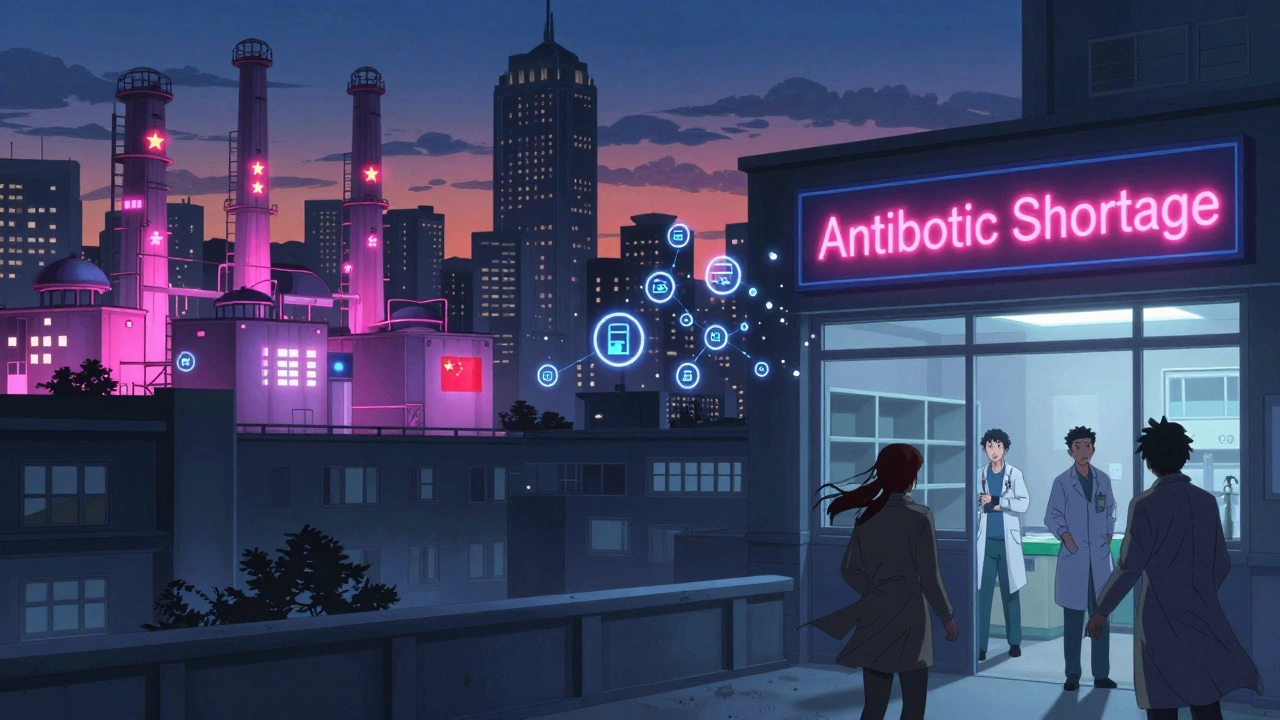
Drug shortages are rising due to fragile global supply chains. Learn how buffer stocks, dual sourcing, AI, and new manufacturing tech are helping prevent shortages and keep critical medicines available.