
Opioid Side Effects: What You Need to Know Before Taking These Pain Medications
When you take opioids, a class of powerful pain-relieving drugs that include oxycodone, hydrocodone, morphine, and fentanyl. Also known as narcotics, they work by binding to receptors in your brain and spinal cord to block pain signals. But they don’t just stop pain—they change how your body and mind function, and that’s where the risks start. Opioid side effects aren’t rare surprises. They’re built into how these drugs work. Drowsiness, constipation, nausea, and dizziness happen in most people who use them long-term. But the real danger lies in what happens when your body adapts: tolerance builds, dependence forms, and breathing slows—sometimes to a stop.
One of the most dangerous opioid side effects is respiratory depression, when breathing becomes too slow or shallow to supply enough oxygen. This isn’t just a theoretical risk—it’s the leading cause of death in opioid overdoses. People don’t always realize they’re in danger until it’s too late. Another hidden risk is opioid-induced hyperalgesia, a condition where long-term use actually makes your body more sensitive to pain. It sounds backwards, but it’s real: the more you take, the more you hurt. And if you suddenly stop, opioid withdrawal, a brutal mix of muscle aches, anxiety, vomiting, and insomnia, can hit within hours. It’s not just uncomfortable—it can push people back to using just to feel normal.
These aren’t side effects you can ignore. They’re signals that your body is being affected in deep, lasting ways. Even short-term use can lead to dependence. Older adults, people with sleep apnea, or those taking other sedatives like benzodiazepines are at higher risk for fatal breathing problems. And while doctors prescribe opioids for acute pain—after surgery or a broken bone—many end up taking them for months or years, often without realizing how quickly tolerance builds. The key isn’t avoiding them entirely—it’s understanding what they’re doing to you while you’re on them.
Below, you’ll find real, practical guides from people who’ve been there: how to spot early warning signs, what to do if you’re worried about dependence, how to talk to your pharmacist about safer alternatives, and what to expect if you need to stop. These aren’t theoretical warnings—they’re lived experiences and proven strategies to help you stay safe while managing pain.
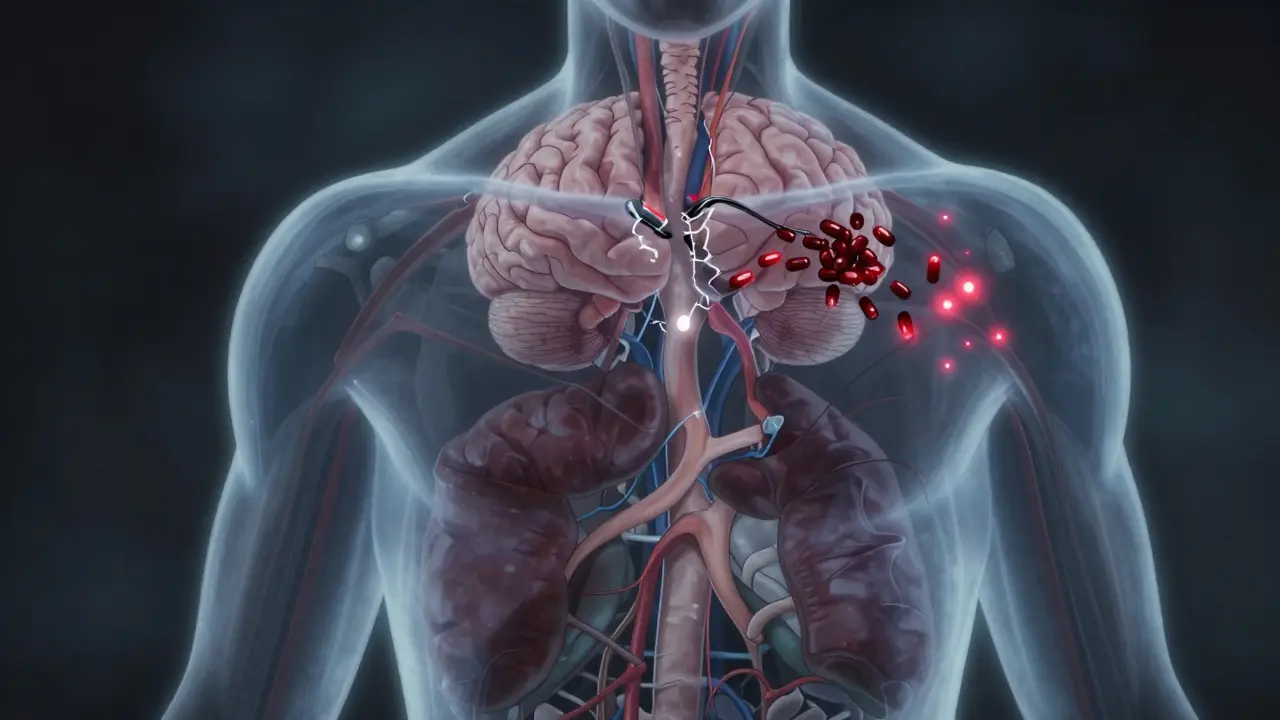
Opioid-induced adrenal insufficiency is a rare but life-threatening side effect of long-term opioid use. It suppresses cortisol production and can lead to fatal adrenal crisis if undiagnosed. Learn who’s at risk, how it’s diagnosed, and why it’s often missed.
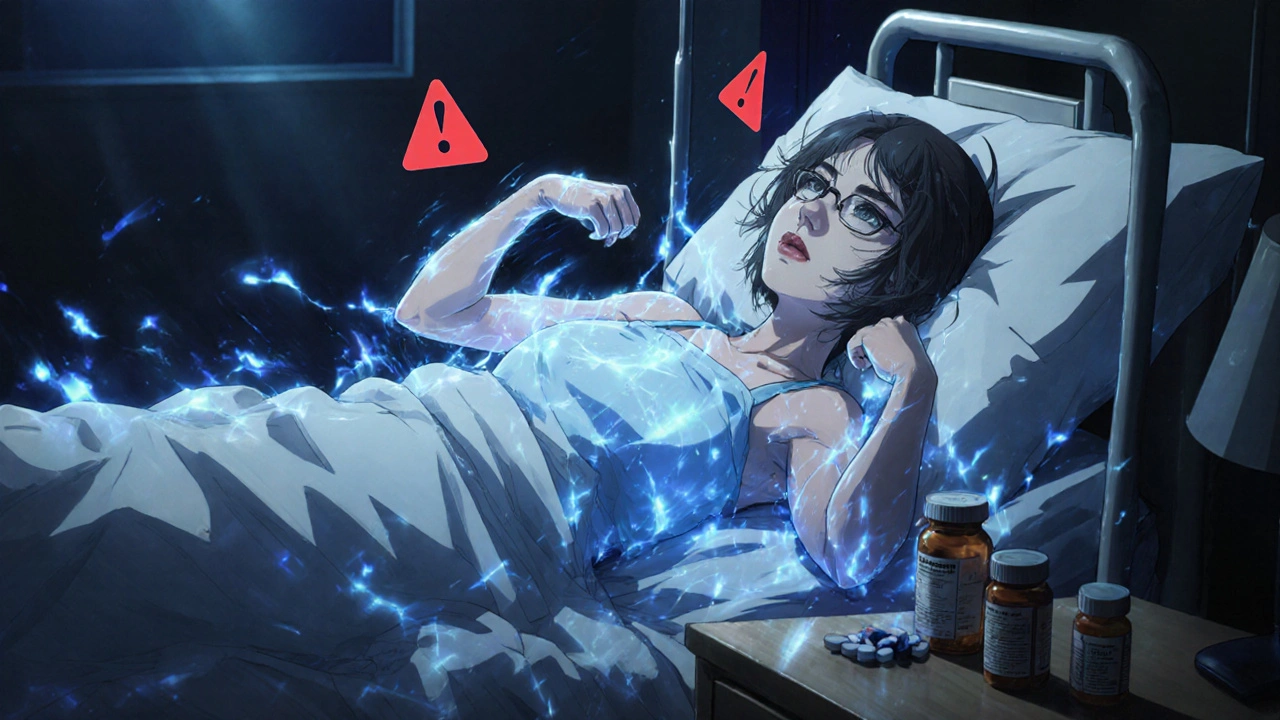
Opioids like tramadol and dextromethorphan can trigger serotonin syndrome when mixed with antidepressants. Learn which pain meds are safe, which to avoid, and how to recognize the warning signs before it's too late.