
Drug Shortages: Why They Happen and How to Navigate Them
When a drug shortage, a situation where the supply of a medication falls below demand, leaving patients unable to get their prescribed treatment. Also known as medication unavailability, it’s not just a logistics issue—it’s a health crisis that hits families, hospitals, and pharmacies every day. You might hear about it in the news—like when insulin, antibiotics, or even common blood pressure pills vanish from shelves—but what you don’t see are the quiet ripple effects: people skipping doses, switching to less effective alternatives, or waiting weeks for a refill. These aren’t rare glitches. In 2023 alone, over 300 drugs in the U.S. faced shortages, with many of them being generics that cost pennies but keep millions alive.
Generic drugs, the affordable, chemically identical versions of brand-name medications that make up 90% of prescriptions in the U.S. are often the first to disappear. Why? Because they’re made by a handful of manufacturers, usually overseas, and any hiccup—like a factory shutdown, raw material delay, or quality control failure—can knock out supply for months. Meanwhile, pharmaceutical supply chain, the complex network of suppliers, manufacturers, distributors, and pharmacies that deliver medicines from labs to your medicine cabinet has no real backup. There’s no stockpile for most drugs, and when one plant goes down, there’s no quick replacement. This isn’t theoretical. A single factory in India once caused a nationwide shortage of metformin, the most common diabetes drug, leaving patients scrambling.
It’s not just about running out of pills. Drug shortages force doctors to prescribe alternatives that may not work as well, cause new side effects, or cost more. Some patients end up in the ER because they couldn’t get their heart medication. Others delay cancer treatments because the chemo drug they need isn’t available. The good news? You’re not powerless. Pharmacists can often help you find a substitute, check when stock will return, or even connect you with a different supplier. Many of the posts below show real ways people have handled these situations—like switching to a different generic brand, using secure messaging to ask your doctor for options, or even getting help from online pharmacy counseling services. You’ll also find advice on how to track your meds, recognize when a shortage is affecting you, and what to say when your prescription doesn’t come through. This isn’t about panic. It’s about knowing what to do before you’re left without your medicine.
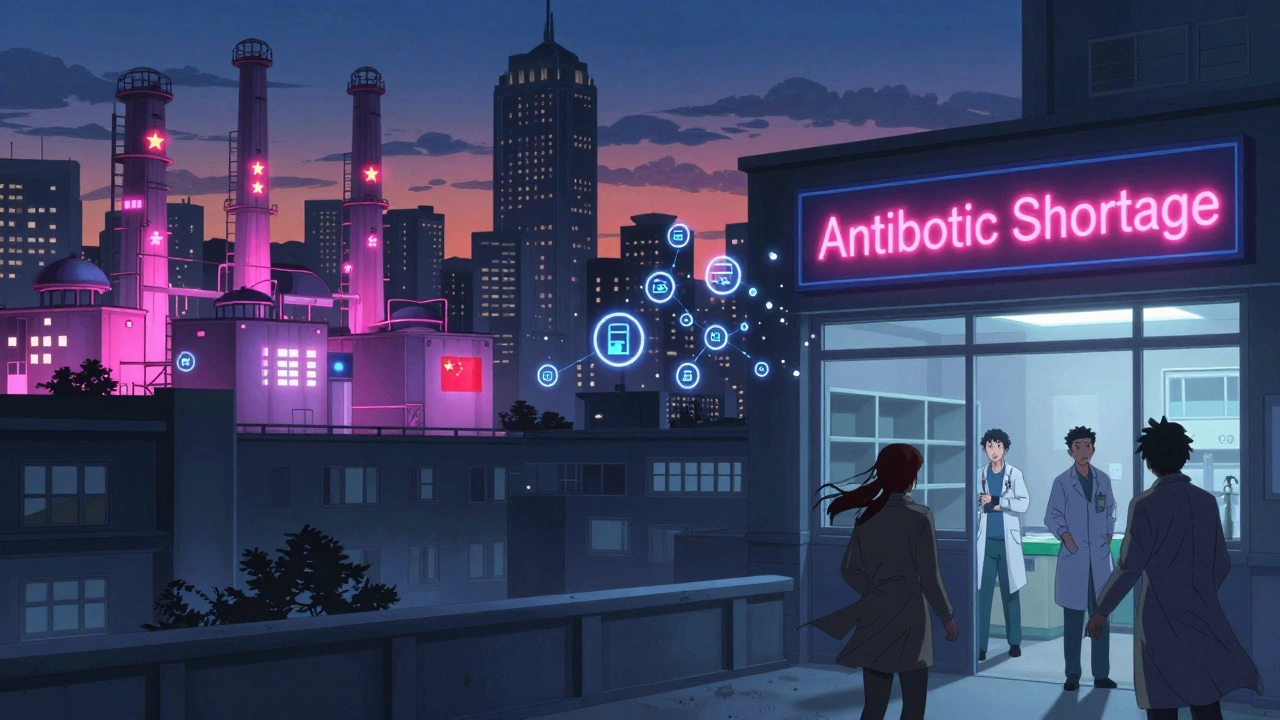
Drug shortages are rising due to fragile global supply chains. Learn how buffer stocks, dual sourcing, AI, and new manufacturing tech are helping prevent shortages and keep critical medicines available.