
Key Takeaways for Your Health
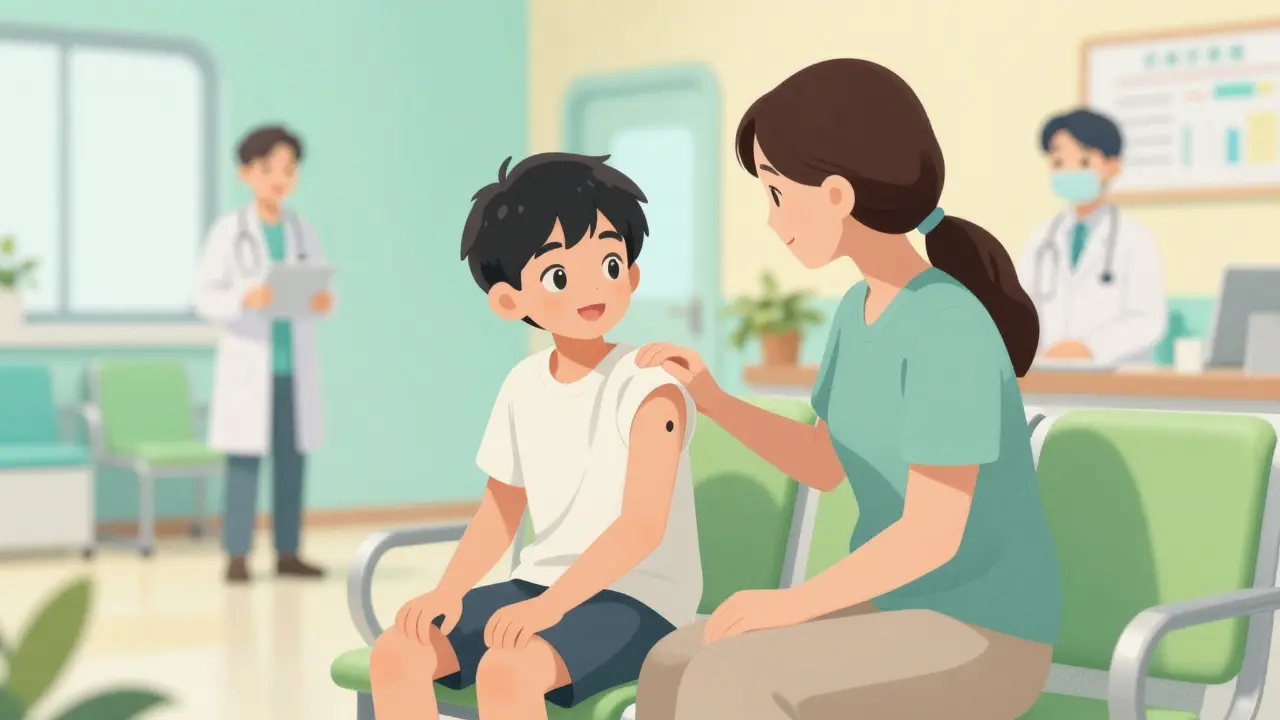
- The Vaccine: Prevents the most dangerous high-risk HPV types; recommended for most adolescents and young adults.
- Screening Shift: Many health organizations now prefer primary HPV testing over the traditional Pap test for adults 25-65.
- Intervals: HPV tests are often safe every 5 years, while Pap tests are typically every 3 years.
- Self-Sampling: New options allow you to collect your own sample, removing the need for a pelvic exam in some cases.
Understanding the Virus and the Risk
HPV isn't a rare condition; it's incredibly common. Most sexually active people will contract some form of the virus at some point. In most cases, your immune system clears it on its own without you ever knowing. However, when a high-risk infection persists for years, it can cause precancerous lesions. These lesions can take 10 to 20 years to turn into invasive cancer, which gives us a massive window of opportunity to find and treat them before they become dangerous.
It is a common misconception that getting the vaccine means you can stop screening. You cannot. The vaccine is a powerful shield, but it doesn't cover every single strain of the virus. Because of this, the CDC explicitly states that vaccinated people should follow the same screening schedule as those who aren't vaccinated.
The HPV Vaccine: Your First Line of Defense
Vaccination is the most effective way to stop the cycle of infection. The first FDA-approved vaccine, Gardasil, arrived in 2006, targeting the types most likely to cause cancer and genital warts. By introducing the vaccine to children and young adolescents-long before they are exposed to the virus-we can prevent the vast majority of future cervical cancer cases.
The World Health Organization (WHO) has set an ambitious "90-70-90" goal for 2030. They want 90% of girls fully vaccinated by age 15. When we hit these targets, modeling suggests we could prevent up to 77 million cases of cervical cancer over the next century. It is a shift from treating a disease to preventing it entirely.
Pap Test vs. Primary HPV Testing
For decades, the Pap test (cytology) was the gold standard. It looks for abnormal cells that have already started to change. However, we've moved toward "primary HPV testing." Instead of looking for cell damage, these tests look for the virus itself-the cause of the damage.
Think of it this way: a Pap test tells you if the house is already on fire, while an HPV test tells you if there is a dangerous arsonist standing in the living room. Because the HPV test is much more sensitive, it can catch risks much earlier.
| Feature | Pap Test (Cytology) | Primary HPV Testing |
|---|---|---|
| What it detects | Abnormal cell changes | High-risk HPV DNA/mRNA |
| Sensitivity (CIN2+) | ~55.4% | ~94.6% |
| Standard Interval | Every 3 years | Every 5 years |
| Primary Goal | Find precancerous cells | Identify high-risk infection |

Current Screening Guidelines by Age
The rules for when to get tested have evolved. The American Cancer Society and the USPSTF now offer a few different paths depending on your age and risk level.
- Ages 21-29: The Pap test remains the preferred choice, typically performed every 3 years.
- Ages 25-29: Some guidelines now suggest primary HPV testing every 5 years is an option, though the Pap test is still widely used.
- Ages 30-65: This is where you have the most flexibility. You can choose primary HPV testing every 5 years, a Pap test every 3 years, or "co-testing" (both at once) every 5 years.
If you choose primary HPV testing and the result is positive, doctors often use a "reflex Pap test." This means they use the remaining sample to check for cell changes. This approach is smart because it reduces the number of people who need uncomfortable follow-up procedures for a virus that might have cleared on its own.
Breaking Barriers with Self-Collection
Let's be honest: pelvic exams are uncomfortable, and for some, they are a major barrier to care. This is why self-collected HPV testing is such a game-changer. In this method, you use a swab to collect the sample yourself in a private setting, then send it to the lab.
Kaiser Permanente updated its guidelines in 2024 to confirm that self-collected samples are just as reliable as those collected by a doctor. In countries like Australia and the Netherlands, this has boosted screening rates by 30-40%. It's a simple shift that addresses the fact that about 30% of cervical cancer cases occur in women who have never been screened because of fear or access issues.

What Happens After a Positive Result?
A positive HPV test doesn't mean you have cancer. In fact, most people with HPV will never develop cancer. It simply means you are at a higher risk and need closer monitoring.
If a test comes back positive, doctors typically look for specific "genotypes." Specifically, they want to know if you have HPV 16 or 18, as these are the most aggressive. Depending on the result, the next step might be a colposcopy-a closer look at the cervix using a magnifying lens-or more frequent monitoring. The key is to stay in the loop with your healthcare provider rather than panic.
The Future of Prevention
We are moving toward a world where cervical cancer is a relic of the past. New technologies, like Paige.AI, are bringing artificial intelligence into cytology to help pathologists spot abnormal cells with pinpoint accuracy. Research from Wayne State University even suggests that after two negative HPV tests, it might be safe to extend the screening interval to six years.
While we've seen a 50% drop in cervical cancer incidence in the U.S. since the 70s, there is still work to do. Disparities persist, with Black women facing significantly higher death rates. Closing this gap requires better access to both the vaccine and the latest HPV-based tests in underserved communities.
Do I still need a Pap test if I had the HPV vaccine?
Yes. While the vaccine protects against the most dangerous types of HPV, it doesn't cover every single strain. You should follow the standard screening guidelines recommended by your doctor regardless of your vaccination status.
How often should I get an HPV test?
For average-risk adults aged 30-65, primary HPV testing is generally recommended every 5 years. If you are opting for a Pap test alone, the interval is typically every 3 years.
Is a positive HPV test a diagnosis of cancer?
No. A positive test only means the virus is present. Many people clear the virus naturally, and others may have it for years without it ever causing cell changes or cancer. It is a signal for more frequent monitoring, not a cancer diagnosis.
What is the difference between the cobas and Aptima tests?
The cobas HPV Test uses real-time PCR to identify HPV 16 and 18 specifically, pooling other high-risk types together. The Aptima HPV Assay uses transcription-mediated amplification to detect E6/E7 mRNA from 14 high-risk types. Both are FDA-approved for primary screening.
Can I really do my own HPV test at home?
Yes, self-collection is becoming an approved option in many health systems. You collect the sample using a provided swab and send it to a certified lab. Research shows this method has similar sensitivity and specificity to clinician-collected samples.
Next Steps for Your Health
If you haven't been screened in several years, now is the time to book an appointment. If you're a parent of a pre-teen, talk to your pediatrician about the HPV vaccine. If you've always hated pelvic exams, ask your provider if self-collected primary HPV testing is an option for you.
For those who have already tested positive for a high-risk strain, don't avoid your follow-ups. The transition from a precancerous lesion to invasive cancer takes years-meaning you have plenty of time to manage the situation and ensure it never becomes a serious problem.
Releted Post

Caspian Fothergill
Hello, my name is Caspian Fothergill. I am a pharmaceutical expert with years of experience in the industry. My passion for understanding the intricacies of medication and their effects on various diseases has led me to write extensively on the subject. I strive to help people better understand their medications and how they work to improve overall health. Sharing my knowledge and expertise through writing allows me to make a positive impact on the lives of others.
Comments
Post Comment