
Tramadol and SSRIs: Risks, Symptoms, and What You Need to Know
When you take tramadol, a painkiller that also affects serotonin in the brain. Also known as an atypical opioid, it's often prescribed for moderate to severe pain but carries hidden risks when mixed with other drugs. Many people also take SSRIs, a class of antidepressants that increase serotonin levels to treat depression and anxiety. Also known as selective serotonin reuptake inhibitors, they include common drugs like sertraline, fluoxetine, and escitalopram. The problem? Both tramadol and SSRIs raise serotonin in your brain—and when they’re taken together, that boost can go too far.
This isn’t just a theoretical risk. Real cases show people ending up in the ER with serotonin syndrome, a life-threatening reaction caused by too much serotonin. Also known as serotonin toxicity, it starts with mild symptoms like shivering, sweating, or restlessness—and can quickly turn into high fever, seizures, or irregular heartbeat. The CDC and FDA have both warned about this combo, especially since tramadol isn’t always labeled as a serotonin-affecting drug. Doctors might miss it, and patients often don’t know to ask. You might think, "I’m just taking my pills as prescribed," but the danger isn’t about dosage—it’s about the combination. Even low doses of tramadol with an SSRI can trigger this reaction, especially if you’re older, have kidney issues, or are starting or changing doses.
What’s worse? Many people don’t realize tramadol is even involved. It’s often prescribed for back pain or arthritis, while SSRIs are taken daily for mood. No one connects the dots. But if you’re on both, you need to know the signs: confusion, rapid heart rate, muscle rigidity, or sudden high body temperature. If you feel off after starting or changing either drug, don’t wait. Call your doctor or go to urgent care. This isn’t something to "sleep off" or wait out.
There are safer pain options if you’re on an SSRI. Your doctor can switch you to a non-serotonin-affecting painkiller like acetaminophen or certain NSAIDs. Or, if you need something stronger, they can choose an opioid that doesn’t touch serotonin—like oxycodone or hydrocodone—though those come with their own risks. The key is communication. Bring your full med list to every appointment, including supplements and over-the-counter meds. Some herbal products like St. John’s wort can also raise serotonin and make things worse.
Below, you’ll find real guides that dig into how medications interact, how to spot dangerous combos before they hurt you, and what to do if you’re already on a risky mix. You’ll learn how to talk to your pharmacist, how to use free medication review services, and how to avoid common mistakes that lead to hospital visits. This isn’t about fear—it’s about control. You deserve to manage your pain and your mood without putting your life at risk.
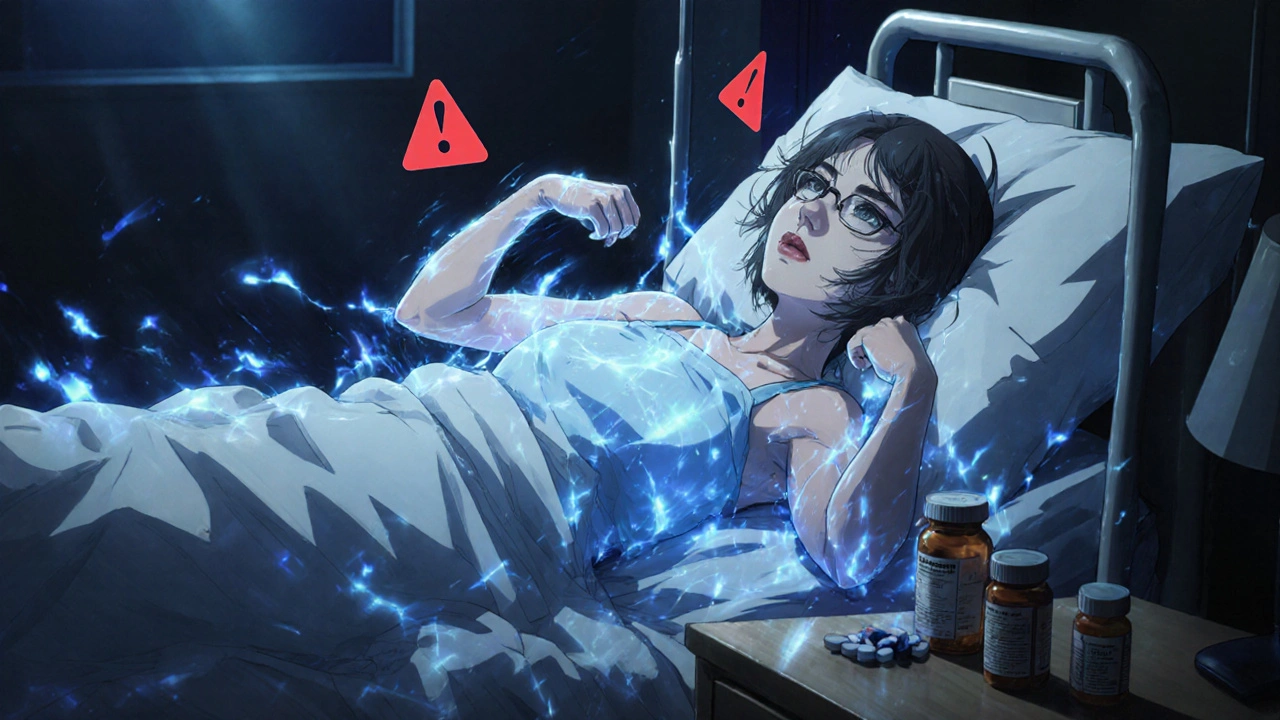
Opioids like tramadol and dextromethorphan can trigger serotonin syndrome when mixed with antidepressants. Learn which pain meds are safe, which to avoid, and how to recognize the warning signs before it's too late.