
Opioid Serotonin Syndrome: Risks, Signs, and How Medications Mix Dangerously
When you take an opioid, a class of pain medications that include oxycodone, hydrocodone, and tramadol. Also known as narcotics, they work by binding to brain receptors to reduce pain—but they can also affect serotonin levels in ways most people don’t realize. Combine that with another drug that boosts serotonin—like an SSRI, SNRI, or even some herbal supplements—and you risk triggering opioid serotonin syndrome, a dangerous overstimulation of serotonin receptors that can spiral into a medical emergency. It’s not just about taking too much of one drug. It’s about what happens when two common, seemingly safe medications collide in your body.
This isn’t theoretical. People on tramadol for back pain who also take sertraline for anxiety have ended up in the ER with high fever, muscle rigidity, and confusion. Others on oxycodone who started fluoxetine for depression didn’t realize the combo could cause their heart to race uncontrollably or their body to overheat. serotonin syndrome, a condition caused by too much serotonin activity in the nervous system. isn’t rare—it’s underdiagnosed. Many doctors miss it because symptoms look like flu, anxiety, or even drug withdrawal. But when it hits, it moves fast. A spike in body temperature, uncontrollable shaking, or sudden changes in mental state can mean you’re seconds away from organ failure.
What makes this even trickier is that not all opioids carry the same risk. Tramadol and meperidine are high-risk because they directly block serotonin reuptake. But even codeine or morphine can contribute when paired with the wrong meds. Common culprits include antidepressants like Prozac or Cymbalta, migraine drugs like triptans, and even St. John’s Wort or dextromethorphan in cough syrup. You don’t need to be on high doses. Sometimes, just adding one new pill is enough.
There’s no blood test for serotonin syndrome. Diagnosis is based on symptoms and recent medication changes. If you’ve started a new drug or changed a dose in the last week or two, and now feel off—really off—don’t wait. Call your doctor. Or go to urgent care. Delaying can cost you your life.
Below, you’ll find real, practical guides from people who’ve been there—how to spot the warning signs before it’s too late, which drug combos to avoid even if they seem harmless, and how to talk to your pharmacist about hidden risks. These aren’t theory pages. They’re survival checklists written by people who learned the hard way.
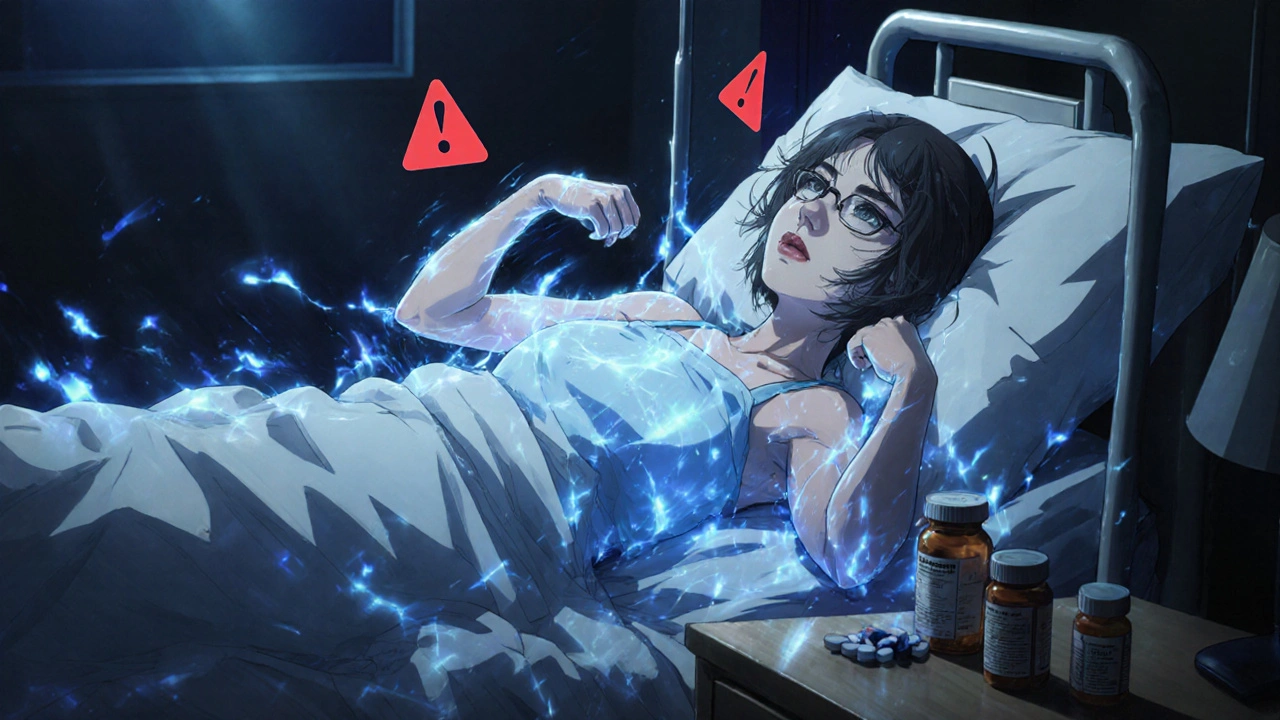
Opioids like tramadol and dextromethorphan can trigger serotonin syndrome when mixed with antidepressants. Learn which pain meds are safe, which to avoid, and how to recognize the warning signs before it's too late.