
Indian Generic Drugs: Safe, Affordable Medications Explained
When you hear Indian generic drugs, affordable versions of brand-name medications manufactured in India under strict regulatory standards. Also known as generic pharmaceuticals from India, they make up over 80% of the global generic drug supply and are used by millions in the U.S., Europe, and beyond. These aren’t knockoffs—they’re chemically identical to the originals, with the same active ingredients, dosage, and effectiveness. The only differences? The name, the packaging, and the price—often 70% to 90% lower.
Why does this matter? Because generic medications, drugs that are bioequivalent to brand-name versions but sold without a brand label are the backbone of affordable healthcare. Whether you’re managing high blood pressure with lisinopril, treating diabetes with metformin, or handling erectile dysfunction with sildenafil, Indian manufacturers produce these drugs at scale with FDA-recognized quality controls. Many U.S. pharmacies source their generics from India because the production meets global benchmarks. The medication safety, the process of ensuring drugs are used correctly without harmful interactions or side effects isn’t compromised—just the cost.
Still, confusion lingers. Some people worry that cheaper means weaker. But science doesn’t back that up. The FDA and WHO have approved thousands of Indian-made generics after rigorous testing. What you’re really seeing is a difference in marketing, not medicine. A pill made in Hyderabad works the same as one made in New Jersey—if they have the same active ingredient and meet bioequivalence standards. The real risk comes from buying from unverified online sellers, not from the drugs themselves. Always check if your pharmacy sources from licensed, audited suppliers. Look for certifications like WHO-GMP or USP. If it’s sold without a prescription or labeled as "miracle medicine," walk away.
Indian generic drugs aren’t just for people on a budget. They’re used by hospitals, insurers, and governments worldwide to stretch healthcare dollars. In fact, over half of all prescriptions filled in the U.S. are for generics—and a huge chunk of those come from India. You might be taking one right now without even knowing it. The key is knowing how to identify legitimate sources, understand what’s in the pill, and talk to your pharmacist about any concerns. Below, you’ll find real guides on how to safely use these medications, spot dangerous interactions, ask the right questions, and avoid scams that prey on people looking for affordable options.
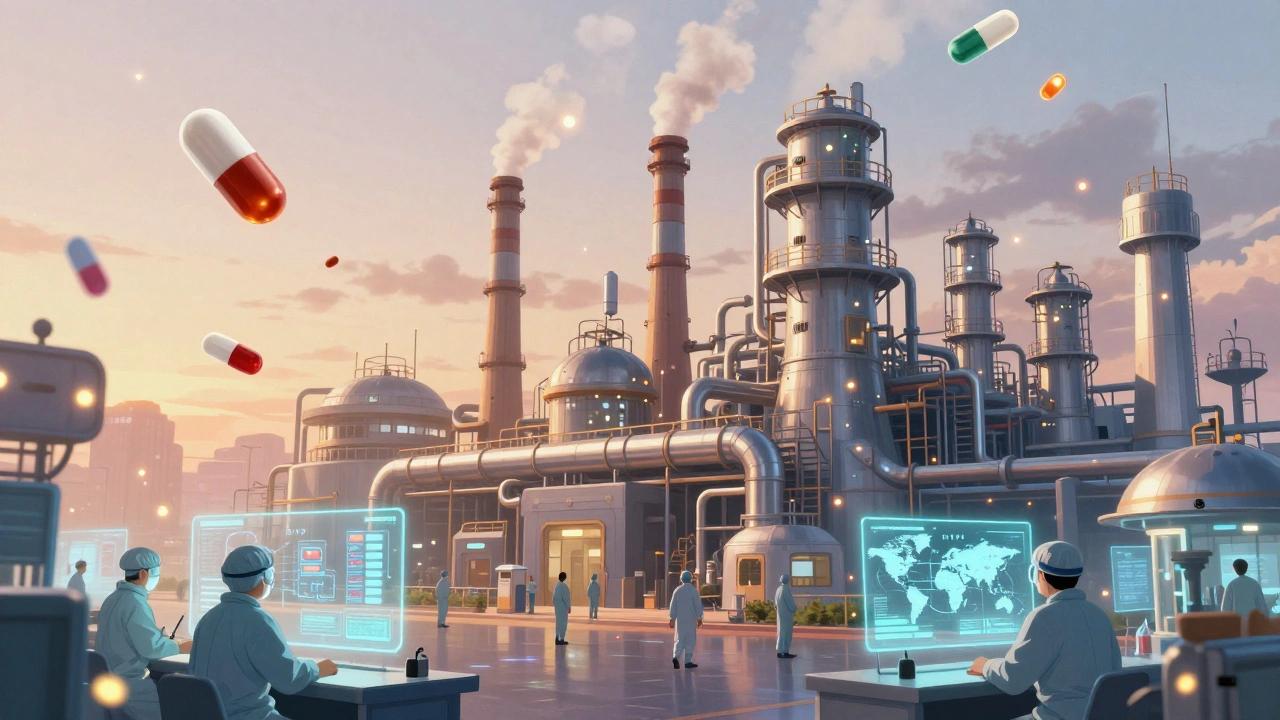
India produces 20% of the world's generic drugs, supplying affordable medicines to over 150 countries. From HIV treatments to diabetes pills, Indian manufacturers make life-saving drugs at a fraction of the cost-without sacrificing quality.