
Cross-Reactivity: What It Is and Why It Matters for Your Medications
When your body reacts to a drug because it thinks it’s something else, that’s cross-reactivity, a biological response where the immune system mistakes one substance for another due to similar molecular structure. Also known as cross-allergy, it’s why someone allergic to penicillin might react to amoxicillin, or why eating grapefruit can turn a common blood pressure pill into a dangerous mix. This isn’t just about allergies—it’s about hidden connections between drugs, foods, and even vaccines that can sneak up on you.
Think of it like a lock and key. If two keys look similar enough, one might open a lock it wasn’t meant for. That’s what happens in cross-reactivity, a biological response where the immune system mistakes one substance for another due to similar molecular structure. A drug like sulfonamide antibiotics can trigger reactions in people allergic to sulfa drugs in diabetes meds, even if they’ve never taken the diabetes pill. Same goes for shellfish and iodine contrast dye—many assume they’re linked, but the real issue is protein similarity, not iodine. And then there’s food-drug interactions, how certain foods alter how your body processes medication, sometimes dangerously. Grapefruit doesn’t just interfere with statins—it can make them 5 to 15 times stronger, raising the risk of muscle damage or kidney failure. These aren’t rare edge cases. They show up in everyday prescriptions, from painkillers to antidepressants.
It’s not just about what you take—it’s about what you’ve taken before. A past reaction to one drug can signal risk for others in the same family. That’s why your pharmacist asks about every medication you’ve ever had trouble with, even if it was years ago. drug interactions, when two or more substances affect each other’s effects in the body aren’t always obvious. Some show up as sudden rashes, others as weird dizziness or breathing trouble hours after taking a pill. The trick is knowing what to watch for. If you’ve had an allergic reaction to one antibiotic, ask your doctor if others in the same class could trigger the same response. If you’re on blood thinners, find out if your favorite supplement or herbal tea might thin your blood even more. It’s not about avoiding all meds—it’s about spotting the traps before they set off.
You don’t need to memorize every possible combination. But you do need to know your own triggers and ask the right questions. Keep a list of every drug, supplement, or food that ever made you feel off. Bring it to every appointment. Use your pharmacy’s free consultation service—they see these patterns all the time. And if you’ve ever been told you’re allergic to something, don’t assume you’re safe just because you’ve taken a similar drug before. Cross-reactivity doesn’t care about your assumptions. It only cares about molecular fingerprints. Below, you’ll find real cases where this hidden risk showed up—in hiccups, sleep meds, heart drugs, and even hair loss—and how people found their way out of it safely.
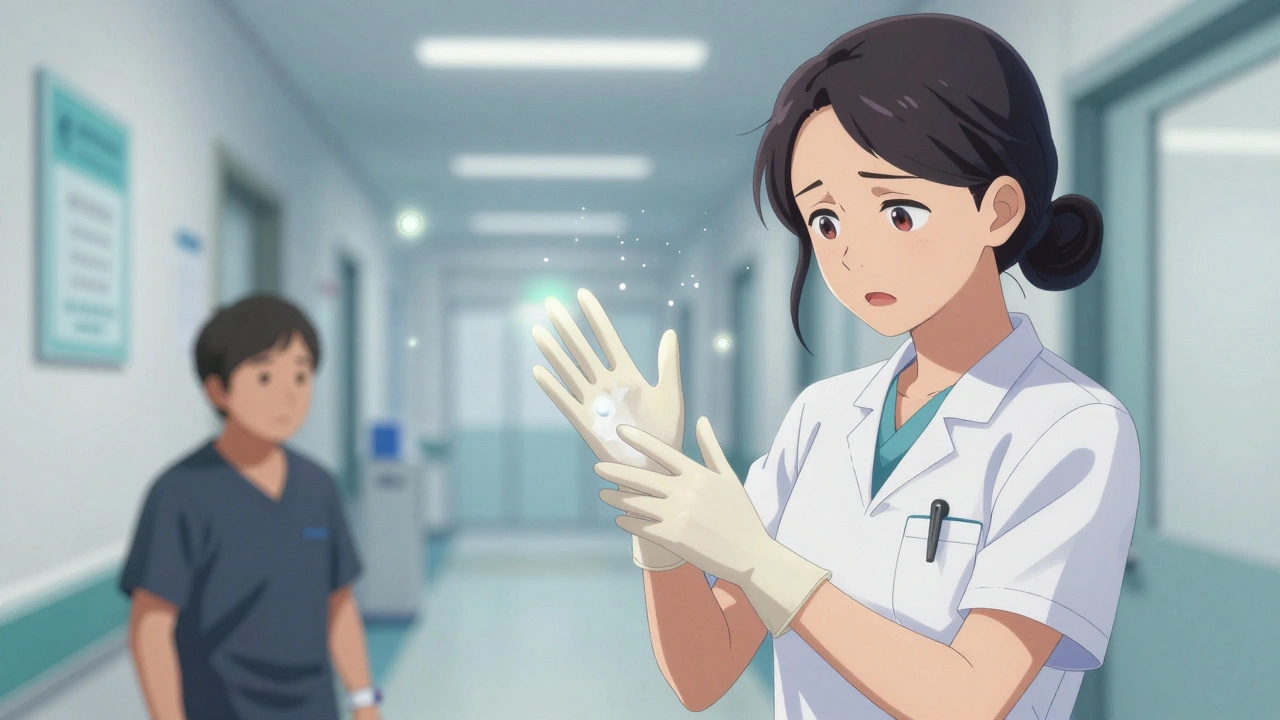
Latex allergy affects 1-2% of the general population and up to 12% of healthcare workers. Cross-reactivity with foods like bananas and avocados is common. Strict avoidance and workplace changes like switching to nitrile gloves are the only proven ways to prevent reactions.